


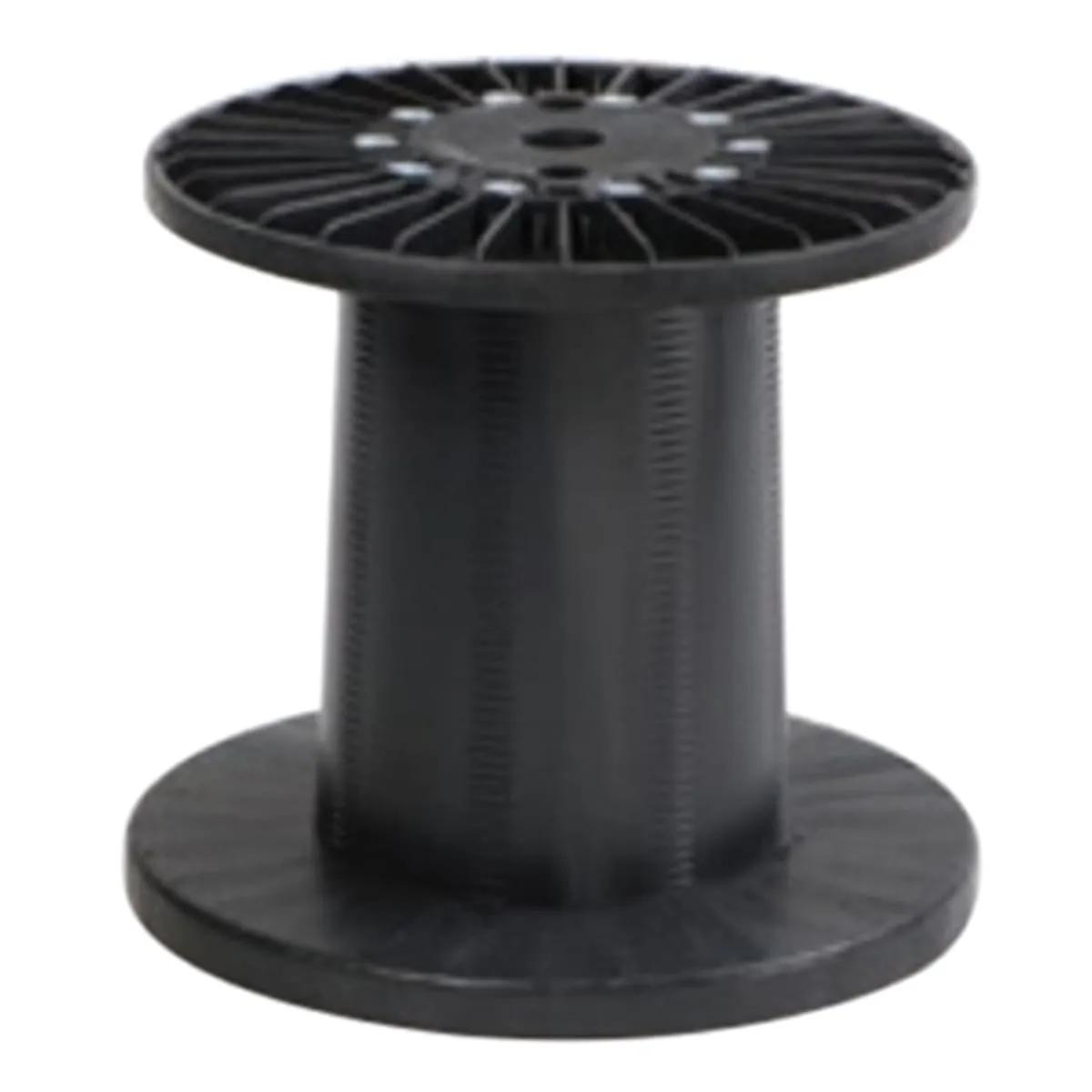

Rea Magnet Wire RW17RSTAIQR280 Reabond S Therm-Aimid Single Build Round Magnet Wire, 17 AWG, Copper, Natural, 15-16" Tapered Reel (280), MPN 04801.170.02480
- MFR #04801.170.60468
- EIS #RW17RSTAIQR
- Series #RSTAIPC
$1,055.44 / 100 US pound
Pack: 15-16" Tapered Reel (280)
In Stock | Ready to Ship
Refine your product below or compare all choices in the
Min QTY1QTY Increment1
more info
Pack15-16" Tapered Reel (280)

Why Buy From EIS?
- Authorized Distributor
- Fast Shipping
- Technical Support Available
Products You May Also Like
Products You May Also Like
| Stock Status | ||||
|---|---|---|---|---|
 | 10-11" Tapered Reel/Box (115) | 12 AWG | $ / US pound Pack: 10-11" Tapered Reel/Box (115) more info | |
| 10-11" Tapered Reel/Box (115) | 13 AWG | $ / US pound Pack: 10-11" Tapered Reel/Box (115) more info | |
| 10-11" Tapered Reel/Box (115) | 14 AWG | $ / US pound Pack: 10-11" Tapered Reel/Box (115) more info | |
 | 6" Spool (060) | 15 AWG | $ / US pound Pack: 6" Spool (060) more info | |
 | 15-16" Tapered Reel (280) | 15 AWG | $ / US pound Pack: 15-16" Tapered Reel (280) more info | |
| 10-11" Tapered Reel/Box (115) | 15 AWG | $ / US pound Pack: 10-11" Tapered Reel/Box (115) more info |
Cement forms a strong turn-to-turn bond throughout a winding and often eliminates the need for impregnating varnish. High resoftening temperature of outer cement allows this product to compete with many varnish- impregnated heavy-grade magnet wires. Minimum of 3 lb retained bond strength of 18 RSTAI on copper. Cost-optimized manufacturing processes typically employ resistance bonding to bond coils wound with Reabond S magnet wire.
Solvent bonding is not recommended for this product. The Reabond cement may be removed by dioxolane for measuring sub-film dimensions. Resistance bonding applies a voltage that causes the winding to heat electrically to the proper bond temperature. Optimum bonding conditions are reached when the coil temperature is raised to between 220 and 240 deg C as measured by the change in coil resistance as a function of the change in temperature.
Solvent bonding is not recommended for this product. The Reabond cement may be removed by dioxolane for measuring sub-film dimensions. Resistance bonding applies a voltage that causes the winding to heat electrically to the proper bond temperature. Optimum bonding conditions are reached when the coil temperature is raised to between 220 and 240 deg C as measured by the change in coil resistance as a function of the change in temperature.
Applications
- Fractional and integral horsepower motors, including universal motor fields and induction motor stators, high temperature coils, and solenoids
Features
- Cement forms a strong turn-to-turn bond throughout a winding and often eliminates the need for impregnating varnish
- High resoftening temperature of outer cement allows this product to compete with many varnish- impregnated heavy-grade magnet wires
- Minimum of 3lb. retained bond strength of 18 RSTAI on copper
- Cost-optimized manufacturing processes typically employ resistance bonding to bond coils wound with Reabond S magnet wire. Solvent bonding is not recommended for this product. The Reabond cement may be removed by Dioxolane for measuring sub-film dimensions
- Optimum bonding conditions are reached when the coil temperature is raised to between 220°C and 240°C as measured by the change in coil resistance as a function of the change in temperature. To avoid damage to any system component, materials must be chosen which will withstand process conditions
- Resistance bonding applies a voltage that causes the winding to heat electrically to the proper bond temperature. The voltage that can be applied across a winding is limited by the current that can be passed through the wire. The current is determined by the applied voltage divided by the resistance of the winding. The maximum current that can be passed through a wire is limited by the gauge of wire (cross sectional area). The maximum voltage applied across the winding must be kept low enough so that the current does not approach the wire’s fusion current (fusion current is the current at which a conductor will melt). The recommended bonding voltage should develop less than one-half the fusion current. Fusion Current = If = Kd 3/2 Where, K = Constant = 10244 for Copper and 7585 for Aluminum d = bare wire diameter in inchesCurrent = Voltage/Resistance or I = Volts/Ohms. The bonding time is the time that the bonding voltage needs to be applied across the winding in order to generate the appropriate temperature. This will depend on the applied voltage and the total mass being heated and cooled. Therefore, the bonding time will need to be developed experimentally for each specific application. The process is very quick and may be completed on the winder without additional fixtures. This process may be automated fairly easily with very good results and control: however, there is a need for additional equipment that will deliver the desired time/ voltage/current. This usually consists of a variable power supply, a timer, and special non-conductive winding arbors. There are many companies that sell automated resistance bonding power supplies and controllers. Electrical connection can usually be made by using an insulation piercing connector
General Information
| Item Name | Magnet Wire |
| Trade Name | Reabond S Therm-Aimid |
| Series | RSTAIPC |
General Features
| Type | Single Build |
| Standards | UL Listed, IEC 60317-13 |
Design & Construction
| Color | Natural |
| Insulation Material | Theic Modified Polyester Overcoated with Polyamide-imide Overcoated with Thermoplastic Polyester Bondcoat |
| Shape | Round |
| Material | Copper |
| NEMA Rating | MW 102-C |
Performance Details
| Operating Temperature | 180 °C |
Physical Properties
| Reel Diameter | 7.96 Inch |
| Reel Height | 14.31 Inch |
| Reel Hub Diameter | 1.536 Inch |
| Reel Weight | 246 lb |
| Reel Width | 12 Inch |
Environmental Condition
| Temperature Rating | 180 |